
Geriatric Medical Assistant

0 credit hours
Credits awarded upon completion
Self-Paced
Progress at your own speed
480 hours
Estimated learning time
About the Program
Description
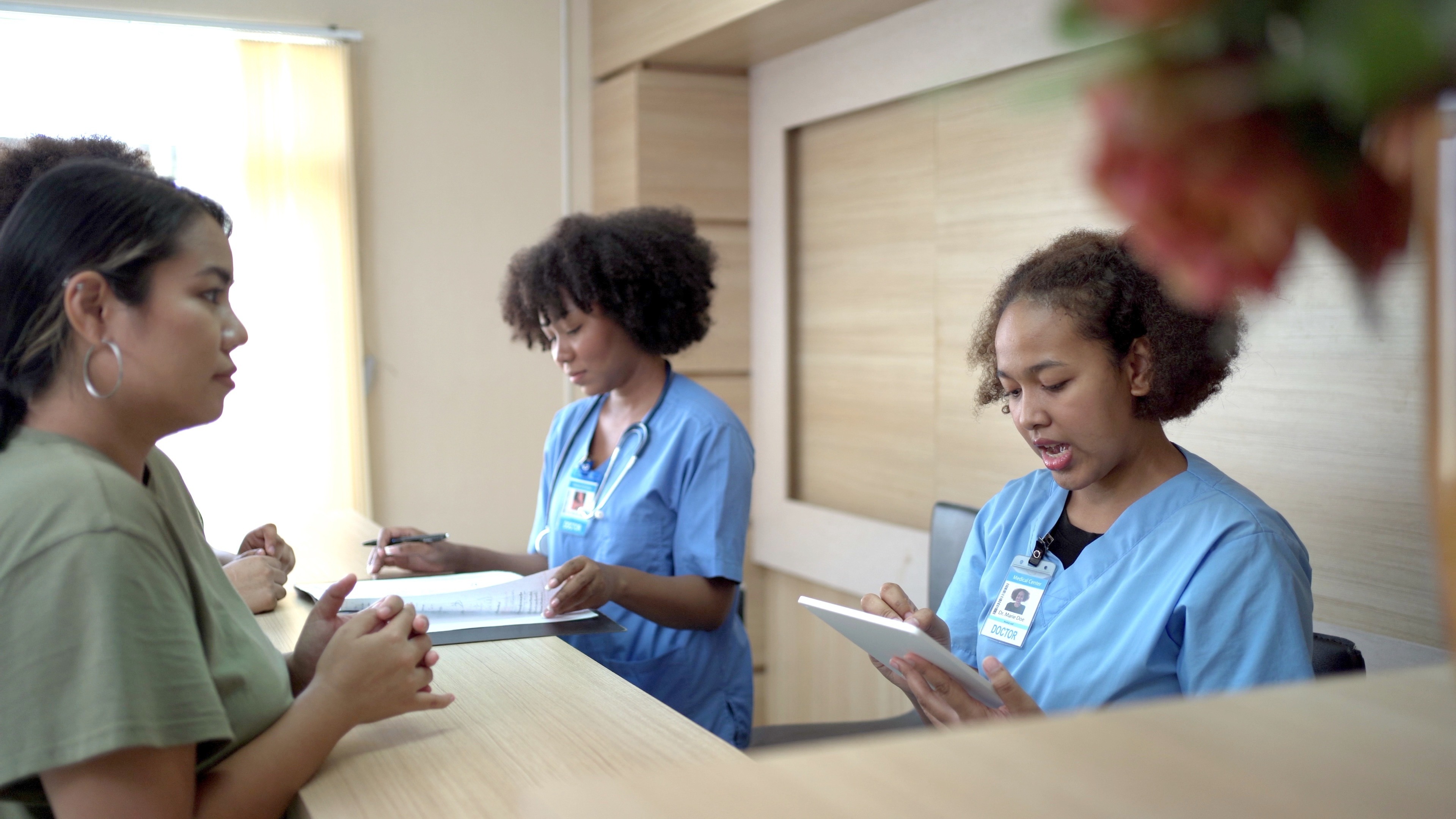
A Medical Assistant specializing in geriatric care works with elderly patients (typically aged 65 and older), focusing on their specific healthcare needs and complex medical conditions. They assist with daily routines, administer medications, take vital signs, and educate patients and their families about managing chronic conditions. Geriatric Medical Assistants may work in various settings, including hospitals, nursing homes, and retirement communities.
Topics
- Clinical Skills & Direct Patient Care
- Patient Intake & Documentation
- Administrative Tasks
- Communication & Patient Interaction
- Medication Management & Patient Education
- Care Team Coordination & Interdisciplinary Collaboration
Prerequisites
- High School Diploma or GED
- Web browser with internet connection
- Course registration & payment
Content Material Titles
- Expert-led video based training Kinn’s “The Administrative Medical Assistant” (Elsevier, 14th Edition) Kinn’s “The Clinical Medical Assistant” (Elsevier, 14th Edition) Competency assessments National Certification exam fee
Total Cost: $2,250
6 Program Products
- See Details
Introduction to Human Anatomy and Medical Terminology
- See Details
Medical Office Procedures and Administration
- See Details
Introduction to Human Anatomy and Medical Terminology
- See Details
Clinical Medical Assisting
- See Details
Professionalism in Allied Health
- See Details
Geriatrics for the Healthcare Professional
Deliverables
0 Credits
Academic Excellence
Earn necessary number of credit hours for completing this content
Professional Program
Launch of Career
Medical Administrative Assistant (CMAA) certification Medical Assistant (CCMA) certification
Hone Important Skills
Total Upgrade
Such as Clinical Skills & Direct Patient Care, Patient Intake & Documentation, Administrative Tasks, Communication & Patient Interaction, Medication Management & Patient Education, Care Team Coordination & Interdisciplinary Collaboration
Outcomes
- Gain knowledge and skills in preparation for the CCMA and CMAA credentialing exams
- Recognize chronic conditions common to older adults and describe key strategies for managing them
- Identify risks to the safety and well-being of older adults and describe methods to mitigate these risks
- Express ways to enhance the physical, mental, and emotional well-being of the geriatric population
- Demonstrate an understanding of the soft skill expectations of an allied healthcare professional
- Demonstrate clinical care skills related to patient preparation, measurement of vital signs, assisting the physician, and performance of specimen collection and testing as ordered by the physician
- Recognize proper infection control procedures, handwashing, and use of personal protective equipment (PPE) per Standard and Universal precautions
- Discuss patient scheduling and related tasks for provider appointments, diagnostic testing, and procedures
- Explain patient education and intake procedures including demographics, insurance verification, and preparation of records and forms
- Ensure HIPAA, OSHA, and CMS compliance as applicable to protected health information (PHI), safety, claim submission, and prevention of fraud
- Apply anatomy/physiology and medical terminology knowledge where applicable to patient and provider interactions and administrative tasks
Similar Content
See All Learning Content